


Introduction to Tea in Indian Culture
Tea holds a unique position in Indian daily life. From roadside tea stalls to family kitchens and spiritual gatherings, tea is everywhere. However, its story is not limited to trade routes or colonial history. Indian legends suggest that tea was discovered through spiritual quests, meditation practices, and ancient healing traditions.
Unlike written historical records, legends are passed down orally. They mix fact with faith, symbolism with history. Understanding these legends helps us see tea not just as a plant, but as a sacred element woven into India’s philosophical and spiritual fabric.
Understanding Legends vs Historical Records
Before diving into the legend itself, it is important to distinguish between legendary narratives and documented history.
What Is a Legend?
A legend is a traditional story believed by people over generations. It often includes spiritual figures, symbolic acts, and moral lessons. Legends are not always scientifically verifiable, but they reflect cultural values and collective memory.
Historical Records of Tea
Historically, large-scale tea cultivation in India began in the 19th century, particularly in Assam and Darjeeling. However, legends suggest tea leaves were known and used centuries earlier, mainly for medicinal and spiritual purposes.
What Is the Indian Legend Regarding the Discovery of Tea?
The most widely shared Indian legend regarding the discovery of tea is connected to a Buddhist monk and spiritual seeker who used tea leaves to stay awake during long meditation sessions. According to this legend, tea was discovered not for pleasure, but for spiritual discipline and mindfulness.
This story highlights tea as a sacred aid, not merely a drink, emphasizing its role in mental clarity and physical endurance.
The Legend of the Buddhist Monk and Tea Leaves
The Story of the Wandering Monk
According to ancient Indian folklore, a Buddhist monk was traveling across the Indian subcontinent in search of enlightenment. He practiced intense meditation that required staying awake for long hours, sometimes days at a time.
During one such journey, the monk grew extremely tired and struggled to remain alert. In frustration and determination, he plucked leaves from a nearby wild plant and began chewing them.
The Miraculous Effect of the Leaves
Soon after consuming the leaves, the monk felt renewed energy. His fatigue disappeared, his mind became sharp, and he was able to continue meditating without sleep. These leaves, according to legend, came from the tea plant.
This moment is believed to mark the discovery of tea in Indian legend, where the plant revealed its power to sustain focus and awaken the mind.
Spiritual Significance of Tea in Indian Tradition
Tea’s discovery through meditation gives it deep spiritual meaning in Indian culture.
Tea as a Tool for Awareness
In Indian spiritual traditions, awareness and consciousness are central themes. Tea was seen as a natural aid to remain present and focused during spiritual practices.
Association with Yogic Practices
Some legends suggest that yogis and ascetics used tea leaves or herbal infusions to balance the body’s energies during meditation. Tea was believed to stimulate the mind without disturbing inner calm.
Tea in Ancient Indian Ayurveda
Early Medicinal Use of Tea Leaves
Long before tea became a household beverage, Indian healers are believed to have used wild tea leaves as medicine. Ancient herbal practices included tea for:
- Improving digestion
- Reducing fatigue
- Enhancing mental clarity
- Supporting respiratory health
Tea as a Healing Herb
In Ayurveda, balance is key. Tea was considered a warming herb that could stimulate circulation and sharpen thinking when consumed in moderation.
Oral Traditions from Assam and Northeast India
Indigenous Knowledge of Tea Plants
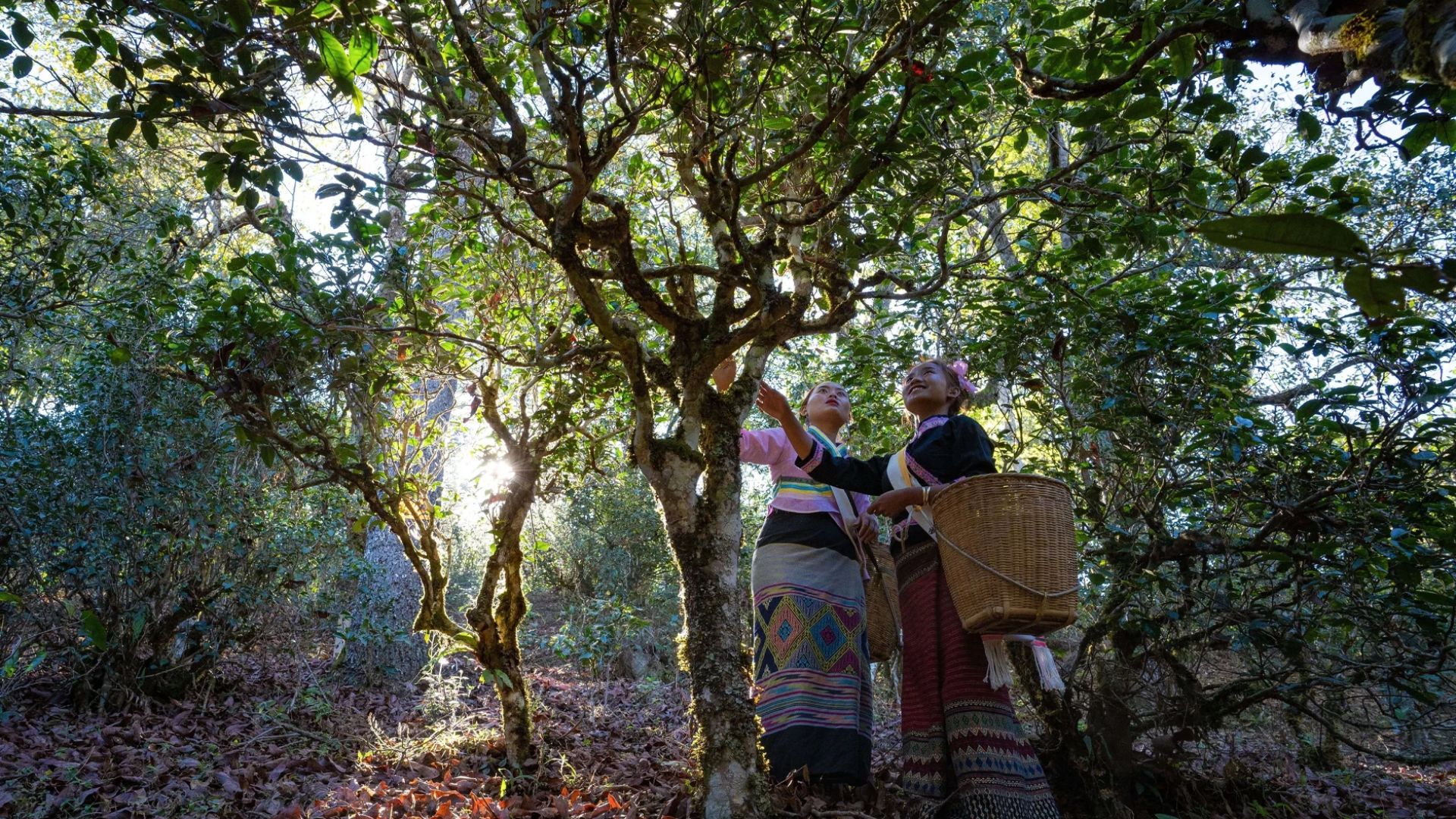
Tribal communities in Assam and Northeast India have their own legends about tea. These groups claim their ancestors knew about tea plants growing wild in forests long before colonial involvement.
Tea as a Tribal Beverage
Local tribes reportedly brewed tea leaves as herbal drinks, often mixing them with spices or herbs. For them, tea was part of daily life, not an imported concept.
Symbolism of Tea in Indian Folklore
Tea symbolizes more than alertness—it represents discipline, hospitality, and reflection.
Tea as a Symbol of Awakening
The legend portrays tea as a gift of nature that awakens both body and mind, aligning with India’s emphasis on spiritual awakening.
Tea and Hospitality
Over time, tea became a symbol of warmth and welcome. Offering tea to guests is deeply rooted in Indian social customs.
Spread of the Legend Across Regions
Northern India
In northern regions, tea legends often emphasize monks and meditation, connecting tea to Himalayan spiritual traditions.
Eastern India
In eastern India, especially Assam, legends focus on nature and tribal wisdom, highlighting tea as a natural forest gift.
Southern India
Southern interpretations often blend tea with Ayurveda, emphasizing health and balance.
How the Legend Influenced Tea Consumption
From Sacred Leaf to Daily Drink
What began as a sacred aid for monks gradually became part of everyday life. The spiritual origin gave tea a respected place in society.
Tea in Temples and Ashrams
Some spiritual centers traditionally offered tea or herbal infusions to monks and visitors as a form of refreshment and hospitality.
Tea vs Coffee in Indian Legends
Unlike tea, coffee does not have many ancient Indian legends associated with spiritual discovery. Tea’s legendary roots give it a unique cultural advantage as a mindful beverage.
Colonial History vs Ancient Legend
British Role in Tea Expansion
The British expanded tea plantations for trade and profit. However, the legend suggests tea was already known and respected in India long before this.
Reclaiming Cultural Ownership
Modern discussions around tea often revisit these legends to assert India’s ancient relationship with tea beyond colonial narratives.
Cultural Importance of Tea Today
Even today, tea reflects its legendary roots.
- Morning tea symbolizes awakening
- Evening tea represents reflection
- Shared tea strengthens social bonds
The legend lives on in everyday rituals.
Why Legends Matter in Understanding Tea
Legends provide cultural depth. They explain why tea feels so natural in Indian life—not just as a habit, but as a tradition with meaning.
Understanding what is the Indian legend regarding the discovery of tea helps us appreciate tea beyond taste, seeing it as a bridge between nature, spirituality, and community.
Modern Interpretations of the Tea Legend
Today, writers, historians, and tea enthusiasts reinterpret the legend as a metaphor for mindfulness, balance, and harmony with nature.
Tea festivals, cultural programs, and storytelling sessions often revisit these ancient tales.
The Enduring Power of the Legend
Legends survive because they resonate. The idea that tea was discovered in pursuit of enlightenment aligns perfectly with India’s philosophical heritage.
This is why the question what is the Indian legend regarding the discovery of tea continues to attract interest across generations.
Frequently Asked Questions (FAQs)
What is the Indian legend regarding the discovery of tea?
The Indian legend suggests that tea was discovered by a Buddhist monk who chewed tea leaves to stay awake during long meditation sessions, experiencing renewed energy and mental clarity.
Is the Indian tea legend historically proven?
No, it is a legend passed down through oral tradition. While not historically documented, it reflects cultural beliefs and ancient knowledge.
Did Indians use tea before British rule?
According to legends and tribal traditions, wild tea leaves were known and used in India long before British tea plantations were established.
Why is tea considered sacred in Indian culture?
Tea is linked to meditation, awareness, and healing, making it spiritually significant rather than just a beverage.
How does the legend influence modern tea culture?
The legend adds depth to tea rituals, emphasizing mindfulness, hospitality, and balance in daily life.
Conclusion
The story of tea in India is far richer than colonial history alone. Through ancient legends, spiritual practices, and tribal knowledge, tea emerges as a sacred plant discovered in the pursuit of awareness and endurance. Understanding what is the Indian legend regarding the discovery of tea allows us to see tea not merely as a drink, but as a symbol of awakening, discipline, and cultural continuity. From forest leaves to meditation halls and modern kitchens, tea’s legendary journey continues to flow through Indian life, one cup at a time.
