


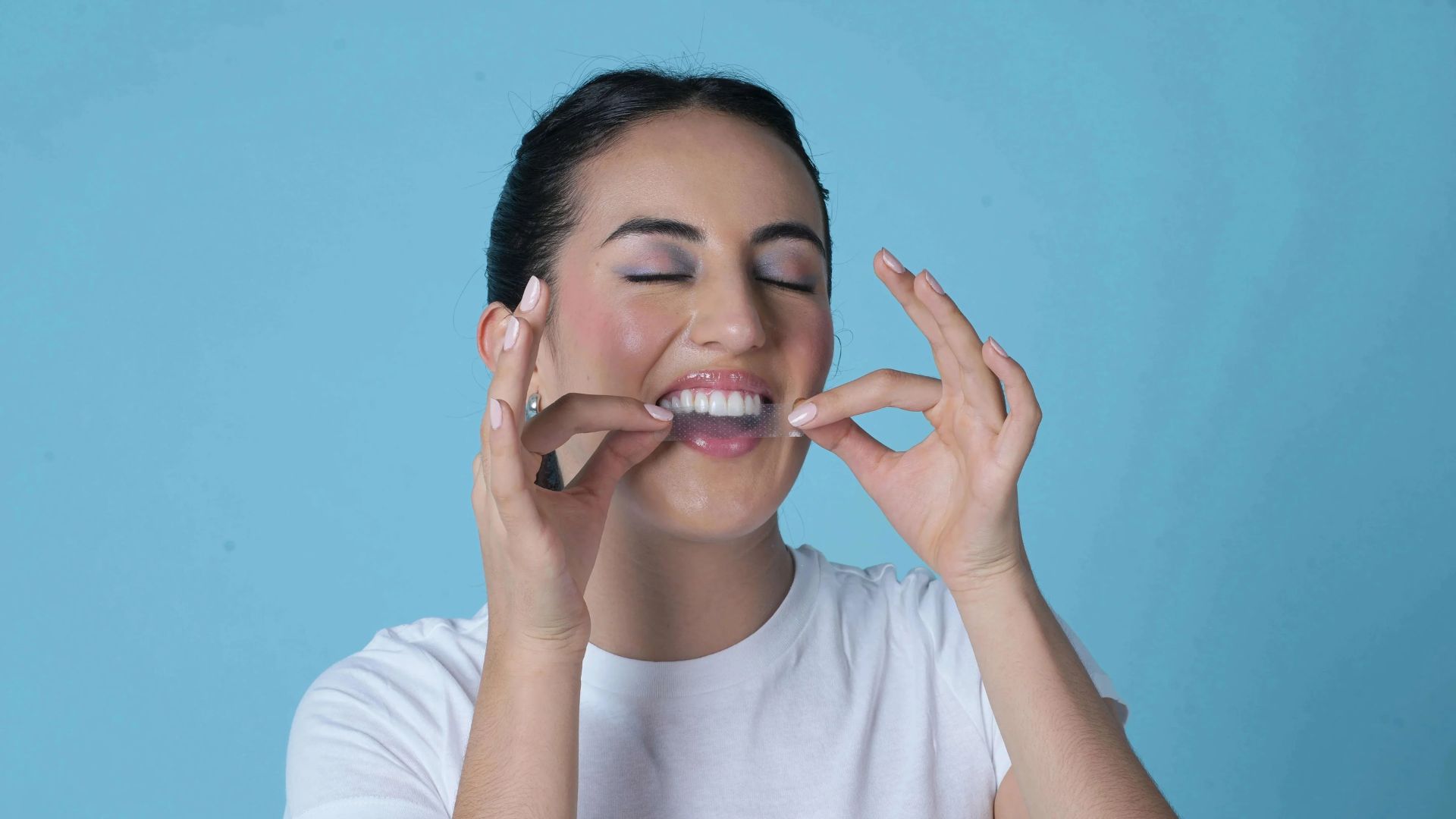
Introduction to Teeth Whitening Strips
A bright, white smile can boost confidence, enhance appearance, and even improve personal and professional interactions. Among the most popular at-home teeth whitening options are teeth whitening strips. These easy-to-use products have transformed cosmetic dentistry by offering a convenient and effective solution for those seeking whiter teeth without visiting a dental clinic.
In this guide, we will explore what teeth whitening strips are, how they work, their benefits, potential risks, cost, and tips for maximizing results. Whether you are a first-time user or looking to switch from professional treatments, this article covers everything you need to know to achieve a radiant smile safely.
What Are Teeth Whitening Strips?
Teeth whitening strips are thin, flexible plastic strips coated with a peroxide-based whitening gel. They are designed to conform to the shape of your teeth and deliver bleaching agents directly to the enamel. Most products are available over the counter and are intended for short, daily use over a period of one to two weeks.
These strips are favored for their simplicity, affordability, and effectiveness compared to traditional whitening kits or professional procedures. With consistent use, teeth whitening strips can reduce stains caused by coffee, tea, tobacco, or age-related discoloration.
How Teeth Whitening Strips Work
Teeth whitening strips operate on the principle of chemical bleaching. The peroxide-based gel penetrates the enamel and dentin layers of your teeth, breaking down compounds responsible for discoloration. Here is a step-by-step breakdown of the process:
Application
Users apply the strips directly onto clean, dry teeth. Some products have a lower layer of protective backing to keep the gel in place.
Active Whitening
Once applied, the peroxide gel begins to chemically react with the stains, gradually breaking them down. Depending on the product, this process may take 5 to 60 minutes per session.
Removal and Rinsing
After the recommended time, the strips are removed, and the mouth is rinsed to remove any residual gel. Regular brushing and flossing help maintain results.
Repetition
Most treatments require daily application for 7–14 days to achieve optimal results. Consistency is key to achieving a noticeably whiter smile.
Types of Teeth Whitening Strips
Teeth whitening strips vary in formulation, strength, and duration. Choosing the right type depends on your sensitivity and desired results.
Standard Whitening Strips
These are designed for general stain removal and daily use. They provide gradual whitening without excessive sensitivity.
Advanced or Professional-Strength Strips
Containing higher concentrations of peroxide, these strips offer faster, more dramatic results. They are recommended for users with more significant staining but may cause increased sensitivity.
Flexible or Full-Coverage Strips
Some brands offer flexible strips that contour better to all surfaces of your teeth, improving coverage and uniform results.
Sensitive Teeth Strips
Formulated for users prone to sensitivity, these strips deliver effective whitening with reduced risk of discomfort.
Benefits of Teeth Whitening Strips
Using teeth whitening strips offers multiple advantages compared to other whitening methods:
- Convenience: Strips are easy to use at home, requiring minimal preparation.
- Affordability: Generally less expensive than in-office professional treatments.
- Effective Stain Removal: Can target surface stains from coffee, tea, smoking, and food.
- Gradual Whitening: Provides controlled, gradual results that appear natural.
- Non-Invasive: Unlike some dental procedures, strips do not involve drilling or enamel alteration.
With consistent use, teeth whitening strips can enhance appearance and boost confidence without significant time or financial investment.
Who Can Use Teeth Whitening Strips?
Teeth whitening strips are generally safe for most healthy adults, but there are certain considerations:
- Ideal Candidates: Individuals with mild to moderate teeth stains and no major dental issues.
- Caution: People with sensitive teeth, gum disease, cavities, or dental restorations should consult a dentist before use.
- Not Recommended: Children under 12, pregnant or breastfeeding women, and individuals with severe dental conditions should avoid at-home whitening strips.
Consulting a dentist ensures safe and effective use, especially if you have dental concerns.
Teeth Whitening Strips vs. Other Whitening Methods
Over-the-Counter Whitening Kits
While kits may include gels and trays, teeth whitening strips often provide more uniform coverage and are simpler to use.
Professional In-Office Whitening
Professional whitening offers faster and more dramatic results but is significantly more expensive. Strips provide a cost-effective alternative for gradual whitening at home.
Natural Remedies
Home remedies, such as baking soda or charcoal, may offer minor stain reduction but lack scientific backing. Teeth whitening strips are clinically tested and proven to be effective.
Step-by-Step Guide to Using Teeth Whitening Strips
- Brush and Floss: Ensure teeth are clean to maximize gel contact.
- Apply Strips: Follow package instructions and position strips correctly.
- Wait: Keep strips on for the recommended time to allow the peroxide to work.
- Remove and Rinse: Gently remove strips and rinse your mouth.
- Repeat Daily: Continue for the specified duration to achieve desired results.
Following manufacturer instructions is critical to prevent uneven whitening or tooth sensitivity.
Tips for Maximizing Results
- Avoid foods and beverages that stain teeth, such as coffee, red wine, and dark sauces.
- Maintain good oral hygiene by brushing and flossing regularly.
- Use whitening toothpaste in conjunction with strips to prolong results.
- Do not exceed recommended usage, as overuse may cause sensitivity or gum irritation.
- Store strips in a cool, dry place to maintain effectiveness.
By combining these strategies, you can enjoy a brighter smile for longer.
Common Risks and Side Effects
While teeth whitening strips are generally safe, some users may experience:
- Temporary tooth sensitivity
- Gum irritation if gel contacts soft tissue
- Uneven results if strips do not cover all teeth
- Mild enamel dryness
These effects are usually temporary and subside after treatment. Choosing strips suited for sensitive teeth or consulting a dentist can minimize discomfort.
Cost of Teeth Whitening Strips
Teeth whitening strips are an affordable alternative to professional whitening treatments. Typical pricing ranges from $20 to $50 per box, depending on brand and number of applications. Premium or professional-strength strips may cost slightly more.
Considering their convenience, effectiveness, and affordability, whitening strips are an appealing option for many seeking cosmetic enhancement without dental visits.
FAQs About Teeth Whitening Strips
How long does it take to see results?
Most users notice a difference within 3–7 days of consistent use. Optimal results typically appear after 10–14 days.
Can teeth whitening strips damage enamel?
When used as directed, strips are safe and do not harm enamel. Overuse or misuse may increase sensitivity.
Do whitening strips work on dental restorations?
Whitening strips are generally ineffective on crowns, veneers, or fillings. Only natural teeth will respond.
Can I use teeth whitening strips daily?
Yes, but always follow the recommended duration and frequency indicated on the product packaging.
Are whitening strips suitable for sensitive teeth?
Yes, many brands offer formulations specifically for sensitive teeth, minimizing discomfort while still providing whitening benefits.
Teeth Whitening Strips Myths
- Myth 1: Whitening strips permanently weaken teeth – Proper use does not cause permanent damage.
- Myth 2: Results are instant – Whitening is gradual; significant improvement typically occurs over one to two weeks.
- Myth 3: All stains can be removed – Deep intrinsic stains may not respond fully to over-the-counter strips.
Separating myths from facts ensures safe and realistic expectations for users.
Psychological and Social Benefits of a Whiter Smile
A brighter smile is not just cosmetic. Scientific studies suggest that having whiter teeth can:
- Improve self-confidence and self-esteem
- Enhance social interactions
- Make a positive impression in personal and professional settings
- Boost mood and overall satisfaction
Using teeth whitening strips can contribute to both aesthetic improvement and emotional well-being.
Choosing the Best Teeth Whitening Strips
When selecting strips, consider:
- Strength and formulation (standard vs. professional-strength)
- Brand reputation and reviews
- Coverage and flexibility to fit your teeth
- Suitability for sensitive teeth
- Price and value
Selecting the right product ensures safe, effective, and satisfying results.
Alternative Teeth Whitening Options
While strips are convenient, other options exist for teeth whitening:
- Professional in-office whitening for faster, dramatic results
- Custom take-home trays prescribed by dentists
- Whitening toothpaste for gradual maintenance
- LED or light-activated whitening devices
Each option has pros and cons, and combining methods may enhance results under professional guidance.
Conclusion
Teeth whitening strips provide a convenient, effective, and affordable solution for achieving a brighter smile at home. With proper use, these strips can remove stains caused by coffee, tea, tobacco, and age, giving users a radiant and confident smile. While some sensitivity may occur, following manufacturer instructions and selecting the right product ensures safe and effective results.
By understanding how teeth whitening strips work, their benefits, risks, and best practices, individuals can make informed choices to enhance their smile conveniently and affordably. Whether used as a standalone method or in combination with other whitening techniques, teeth whitening strips remain a popular and reliable option for maintaining a healthy, white smile.
