


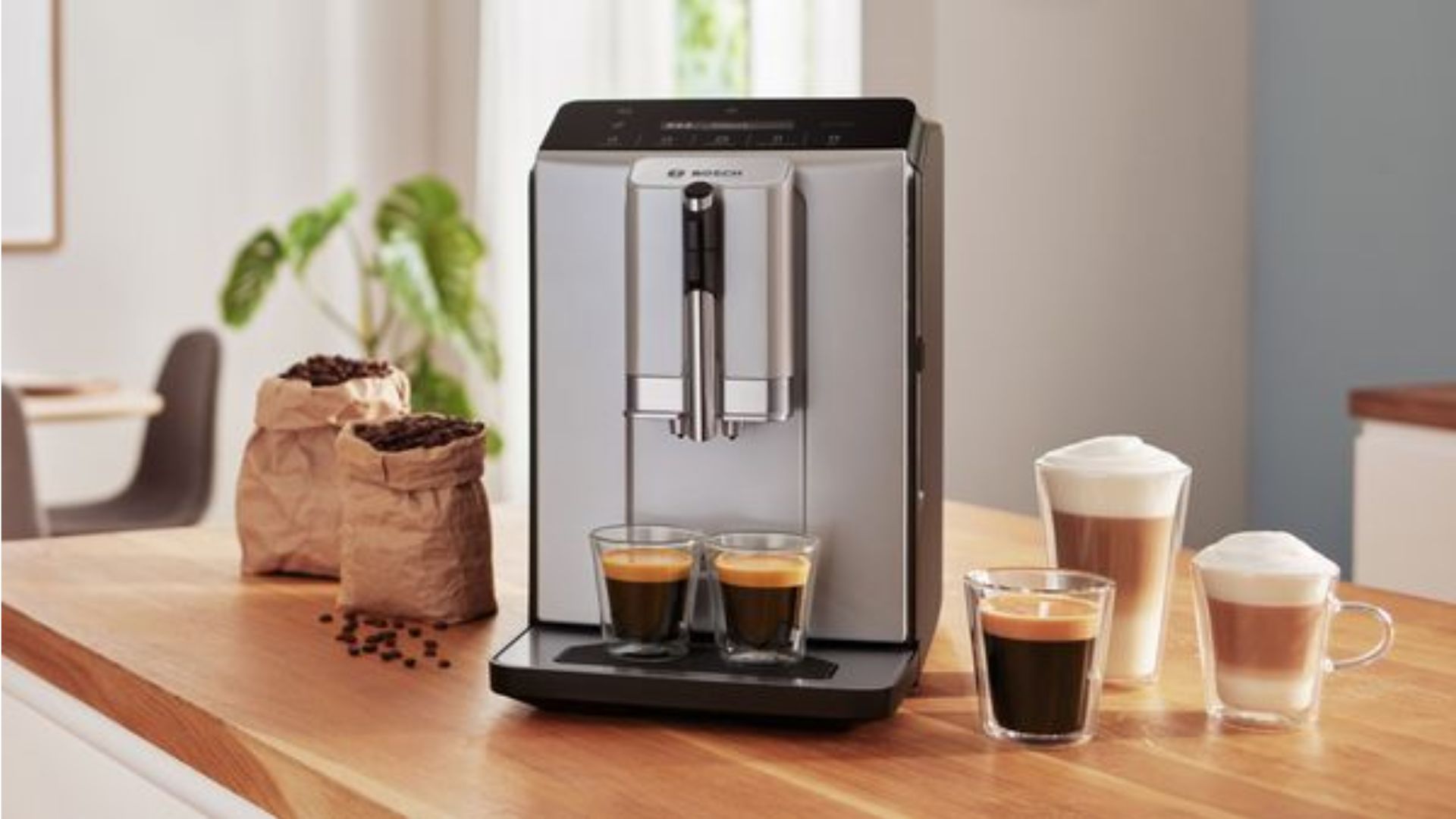
Keeping your coffee machine clean is essential if you want consistently great-tasting espresso. Over time, mineral deposits from water—commonly known as limescale—build up inside your machine. This buildup affects temperature, pressure, and flavor. That’s why understanding how to descale Nespresso machine properly is a must for every Nespresso owner.
This comprehensive guide explains everything you need to know: what descaling is, why it matters, how often you should do it, and exact step-by-step instructions for different Nespresso models. Whether you’re a beginner or a long-time coffee lover, this article will help you maintain your machine and enjoy barista-quality coffee at home.
What Does Descaling a Nespresso Machine Mean?
Descaling is the process of removing mineral buildup that forms inside your coffee machine due to hard water. When water heats up, minerals like calcium and magnesium settle inside internal pipes, thermoblocks, and valves.
Unlike simple cleaning, descaling focuses on internal components, not just visible parts. Even if your machine looks clean on the outside, limescale can silently reduce performance on the inside.
Over time, failing to descale can cause:
- Slower brewing
- Inconsistent coffee temperature
- Unusual noises
- Bitter or weak coffee taste
- Permanent damage to the machine
Learning how to descale Nespresso machine correctly helps extend its lifespan and ensures every cup tastes exactly as it should.
Why Descaling Your Nespresso Machine Is Important
Many people underestimate how crucial descaling is. However, regular descaling provides several long-term benefits.
Improves Coffee Taste
Mineral buildup interferes with water flow and heat consistency. Once removed, your coffee regains its original aroma and balanced flavor.
Protects Internal Components
Limescale stresses internal parts, forcing the machine to work harder. Descaling prevents overheating and mechanical wear.
Maintains Brewing Speed
If your machine takes longer to brew than usual, scale buildup is often the reason. Descaling restores normal flow rates.
Prevents Costly Repairs
Regular maintenance reduces the risk of breakdowns, saving you money on repairs or replacement.
How Often Should You Descale a Nespresso Machine?
The frequency of descaling depends on water hardness and usage.
General Recommendations
- Every 3 months for regular users
- After 300–600 capsules, depending on the model
- When the descaling indicator light turns on (for newer models)
Signs Your Machine Needs Descaling
- Coffee is not hot enough
- Flow is weak or uneven
- Machine makes louder noises
- Coffee tastes bitter or metallic
Ignoring these signs can permanently affect machine performance.
What You Need Before Descaling
Before starting the descaling process, gather the following items:
Required Materials
- Nespresso-approved descaling solution (recommended)
- Fresh water
- A large container (at least 1 liter capacity)
- Access to a sink
Optional but Helpful
- Soft cloth
- Timer or clock
- Gloves (if sensitive to descaling solution)
Avoid using vinegar unless specifically approved, as it can damage seals and leave lingering odors.
How to Descale Nespresso Machine: Step-by-Step Instructions
This section explains how to descale Nespresso machine safely and effectively, following standard procedures applicable to most models.
Step 1: Prepare the Machine
- Turn the machine off
- Remove any capsules from the capsule chamber
- Empty the drip tray and capsule container
- Place a large container under the coffee outlet
Step 2: Prepare the Descaling Solution
- Mix the descaling solution with fresh water as instructed
- Pour the mixture into the water tank
Step 3: Enter Descaling Mode
Most Nespresso machines require a special button combination:
- Press and hold specific buttons for 3–5 seconds
- Lights will blink or change color, indicating descaling mode
(The exact button combination depends on the model.)
Step 4: Start the Descaling Cycle
- Press the button to begin
- The solution will flow through the machine in intervals
- This process typically takes 10–20 minutes
Do not interrupt the cycle once it starts.
Step 5: Rinse the Machine
- Empty and rinse the water tank
- Fill it with clean water
- Run a full rinse cycle to remove any remaining solution
Step 6: Exit Descaling Mode
- Press and hold the same buttons again
- Lights should return to normal operation
Your machine is now descaled and ready for use.
How to Descale Different Nespresso Models
While the general process is similar, each Nespresso line has slight differences.
Descaling Nespresso OriginalLine Machines
OriginalLine models include Pixie, Inissia, Essenza, and Citiz.
Key points:
- Use espresso and lungo buttons
- Descaling mode is activated by holding both buttons
- Rinse cycle is mandatory after descaling
Descaling Nespresso VertuoLine Machines
Vertuo models include Vertuo, Vertuo Plus, and Vertuo Next.
Key points:
- Use the single button on top
- Machine recognizes capsule barcodes
- Descaling mode uses longer water cycles
Always follow the correct procedure for your model to avoid errors.
Common Descaling Mistakes to Avoid
Even experienced users sometimes make mistakes during descaling.
Using Vinegar Instead of Descaler
Vinegar can damage internal seals and leave strong odors that affect coffee flavor.
Skipping the Rinse Cycle
Failing to rinse thoroughly leaves chemical residue that alters taste.
Interrupting the Cycle
Stopping the process mid-cycle can cause error codes or incomplete descaling.
Descaling Too Infrequently
Waiting too long allows heavy scale buildup that is harder to remove.
Avoiding these mistakes ensures safe and effective maintenance.
Tips to Reduce Limescale Buildup
Preventive care can reduce how often you need to descale.
Use Filtered Water
Filtered water contains fewer minerals, slowing scale formation.
Empty the Water Tank Daily
Stagnant water contributes to mineral deposits.
Clean External Parts Regularly
Wipe the drip tray, capsule container, and nozzle weekly.
Follow a Maintenance Schedule
Mark your calendar or track capsule usage to stay consistent.
These habits improve performance and extend machine life.
How Descaling Affects Coffee Quality
Descaling directly influences:
- Extraction pressure
- Brewing temperature
- Flavor balance
- Crema consistency
A clean machine ensures water flows evenly through the coffee grounds, extracting the full flavor profile. If your espresso tastes flat or bitter, descaling is often the solution.
Understanding how to descale Nespresso machine correctly keeps your coffee tasting fresh and rich.
Environmental Impact of Proper Maintenance
Regular descaling reduces energy consumption. Machines with scale buildup require more power to heat water, increasing electricity use.
Additionally, maintaining your machine properly:
- Extends product lifespan
- Reduces electronic waste
- Supports sustainable coffee habits
Proper care benefits both your coffee and the environment.
Frequently Asked Questions (FAQs)
How long does it take to descale a Nespresso machine?
The full process usually takes 20–30 minutes, including rinsing.
Can I use vinegar to descale my Nespresso machine?
It is not recommended. Vinegar can damage internal components and affect coffee taste.
What happens if I don’t descale my machine?
Limescale buildup can cause poor coffee quality, slow brewing, and permanent damage.
Does descaling remove coffee residue?
No. Descaling removes mineral deposits. Cleaning removes coffee oils and residue.
How do I know descaling is complete?
The machine exits descaling mode and operates normally without warning lights.
Conclusion
Knowing how to descale Nespresso machine properly is essential for anyone who values good coffee and long-lasting performance. Descaling removes harmful mineral buildup, improves flavor, protects internal components, and keeps your machine running smoothly.
By following the correct steps, using proper descaling solutions, and maintaining a regular schedule, you ensure that every cup of coffee tastes just as rich and aromatic as the first. A well-maintained Nespresso machine doesn’t just make better coffee—it lasts longer and performs better for years to come.
