


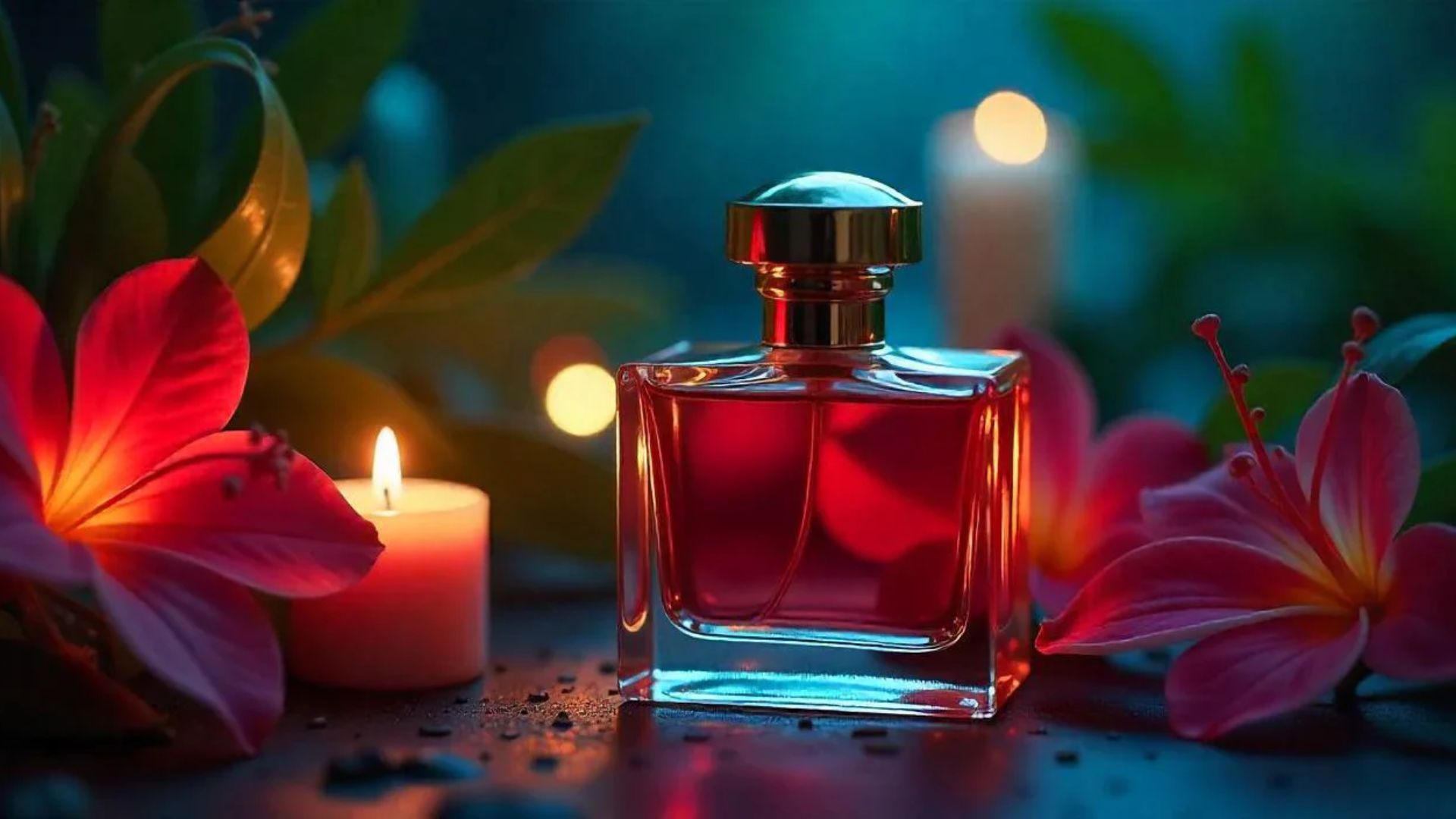
Introduction to Eau de Parfum
Fragrance has always been a powerful form of self-expression. From ancient civilizations to modern luxury fashion houses, perfume plays a significant role in defining personality and style. Among the various fragrance categories available today, eau de parfum stands out as one of the most popular and versatile options.
The term eau de parfum originates from French and translates to “water of perfume.” It refers to a fragrance concentration that typically contains between 15% and 20% aromatic compounds diluted in alcohol and water. This concentration level makes it stronger and longer-lasting than lighter fragrance forms like eau de toilette but less intense than pure parfum extracts.
Because of its balanced strength and longevity, eau de parfum has become a favorite choice for both men and women. It offers a noticeable scent presence without being overpowering, making it ideal for daily wear as well as special occasions. In this complete guide, you will learn everything about eau de parfum, from its composition and benefits to expert tips on choosing and wearing it correctly.
What Is Eau de Parfum?
Eau de parfum is a fragrance concentration category defined by its percentage of perfume oils. Typically containing 15–20% aromatic compounds, it provides a rich scent profile with moderate to strong longevity. Most formulations last between 6 to 8 hours, depending on skin chemistry and environmental conditions.
The structure of eau de parfum includes three key layers:
Top Notes
These are the initial scents you smell immediately after application. They are usually light and fresh, including citrus, fruits, or herbal elements.
Heart Notes
Also known as middle notes, these develop after the top notes fade. Floral, spicy, or green elements are common here.
Base Notes
These are the foundation of the fragrance. Woody, musky, amber, or vanilla tones provide depth and long-lasting character.
This layered composition makes eau de parfum complex, elegant, and long-wearing.
The History of Modern Perfumery
The art of perfumery dates back thousands of years to ancient Egypt and Mesopotamia. However, modern perfumery as we know it today developed in France, particularly in the city of Grasse, which became known as the perfume capital of the world.
Luxury fashion houses like Chanel and Dior revolutionized fragrance production in the 20th century. Iconic scents such as Chanel No. 5 set new standards for quality and elegance.
Over time, fragrance categories were standardized to help consumers understand strength and longevity. Eau de parfum became one of the most popular options due to its balanced concentration.
Difference Between Eau de Parfum and Other Fragrance Types
Understanding fragrance categories helps you choose the right scent for your needs.
Parfum (Extrait de Parfum)
Contains 20–30% perfume oils. Extremely concentrated and long-lasting, often 8–12 hours or more.
Eau de Parfum
Contains 15–20% perfume oils. Strong, balanced, and long-lasting without being overwhelming.
Eau de Toilette
Contains 5–15% perfume oils. Lighter and fresher, lasting 3–5 hours.
Eau de Cologne
Contains 2–4% perfume oils. Very light and short-lived.
Compared to others, eau de parfum offers an ideal middle ground between intensity and wearability.
Why Eau de Parfum Is So Popular
There are several reasons why eau de parfum dominates the fragrance market:
Long-Lasting Performance
It typically lasts most of the day without frequent reapplication.
Balanced Strength
It provides noticeable presence without being too strong.
Versatility
Suitable for both daytime and evening use.
Seasonal Flexibility
Works well in multiple climates, especially moderate and cool weather.
Because of these advantages, eau de parfum remains a top choice for fragrance lovers worldwide.
Composition and Ingredients
The beauty of eau de parfum lies in its blend of natural and synthetic ingredients. Perfumers carefully combine various elements to create unique scent profiles.
Natural Ingredients
- Floral extracts
- Essential oils
- Spices
- Resins
Synthetic Molecules
- Aldehydes
- Aroma chemicals
- Musk compounds
Synthetic elements help enhance longevity and stability while reducing costs and environmental impact.
How Eau de Parfum Interacts with Skin
Fragrance reacts differently depending on body chemistry. Factors that influence scent performance include:
- Skin type (dry or oily)
- Body temperature
- Hormonal changes
- Climate
Oily skin tends to hold fragrance longer, while dry skin may require moisturizing beforehand. Applying eau de parfum to pulse points enhances diffusion.
Best Places to Apply Eau de Parfum
For optimal performance, apply fragrance to warm areas of the body:
- Wrists
- Neck
- Behind the ears
- Inside elbows
- Chest
Avoid rubbing wrists together, as this can break down top notes and alter the scent development.
Seasonal Guide to Eau de Parfum
Fragrance choice often changes with seasons.
Spring
Floral and fresh green notes work beautifully.
Summer
Light citrus and aquatic compositions feel refreshing.
Autumn
Warm spicy and woody scents complement cooler air.
Winter
Rich amber, vanilla, and oriental blends provide comfort and depth.
Eau de parfum is particularly effective in autumn and winter because of its stronger concentration.
Eau de Parfum for Men and Women
Although fragrance marketing often separates scents by gender, the truth is that scent preference is personal. Many modern brands create unisex eau de parfum compositions.
Traditional masculine scents include woody, leathery, and spicy notes. Feminine fragrances often highlight floral and sweet elements. However, contemporary trends embrace fluidity and individuality.
How to Choose the Right Eau de Parfum
Selecting the perfect fragrance requires thoughtful consideration.
Identify Your Preferred Notes
Do you prefer sweet, woody, floral, or fresh scents?
Test Before Buying
Spray on skin and wait several hours to experience full development.
Consider Occasion
Professional settings may require subtle scents, while evening events allow richer compositions.
Understand Concentration
If longevity is your priority, eau de parfum offers an excellent balance.
Storage Tips for Longevity
Proper storage ensures fragrance quality:
- Keep away from direct sunlight
- Store in a cool, dry place
- Avoid humidity
- Keep bottle tightly sealed
Improper storage can break down aromatic compounds and reduce scent performance.
Pricing and Value
Eau de parfum is generally more expensive than eau de toilette due to higher oil concentration. However, because it lasts longer, fewer sprays are needed. This often makes it cost-effective over time.
Luxury brands invest heavily in high-quality ingredients, packaging, and marketing, which influences pricing. However, many affordable brands also produce excellent eau de parfum options.
The Art of Layering
Layering enhances scent complexity and longevity. You can combine:
- Matching body lotion
- Shower gel
- Hair mist
Layering creates a more immersive scent experience without overwhelming intensity.
Common Myths About Eau de Parfum
Myth 1: Stronger Means Better
Strength depends on preference and occasion.
Myth 2: Expensive Always Means Higher Quality
Brand reputation influences price, but personal taste matters more.
Myth 3: Fragrance Smells the Same on Everyone
Body chemistry creates unique scent variations.
Understanding these myths helps make informed purchasing decisions.
Sustainability in Modern Perfumery
Many brands now focus on ethical sourcing, eco-friendly packaging, and cruelty-free testing. Consumers increasingly value transparency in ingredient sourcing.
Sustainable production ensures environmental responsibility while maintaining high fragrance quality.
The Emotional Power of Fragrance
Scent is closely connected to memory and emotion. A specific eau de parfum can trigger powerful recollections of people, places, or moments.
Because fragrance influences mood and confidence, choosing the right scent can enhance personal presence and self-esteem.
FAQs About Eau de Parfum
What does eau de parfum mean?
It means “water of perfume” and refers to a fragrance with 15–20% aromatic concentration.
How long does eau de parfum last?
Typically 6–8 hours, depending on skin type and environment.
Is eau de parfum stronger than eau de toilette?
Yes, it contains a higher concentration of perfume oils.
Can eau de parfum be worn daily?
Yes, it is versatile enough for daily wear.
How many sprays should I apply?
Usually 2–4 sprays are sufficient.
Conclusion
Eau de parfum represents the perfect balance between strength, longevity, and elegance. With its 15–20% fragrance concentration, it offers noticeable presence without overwhelming intensity. From its historical roots in French perfumery to its modern global popularity, it remains one of the most versatile fragrance categories available.
Understanding composition, application methods, seasonal preferences, and storage techniques ensures you get the most from your scent. Whether you prefer floral, woody, fresh, or spicy notes, choosing the right eau de parfum enhances your personality and leaves a lasting impression.
In a world where first impressions matter, fragrance plays a subtle yet powerful role. Investing in a high-quality eau de parfum is not just about smelling good—it is about expressing identity, confidence, and style in the most refined way possible.
