


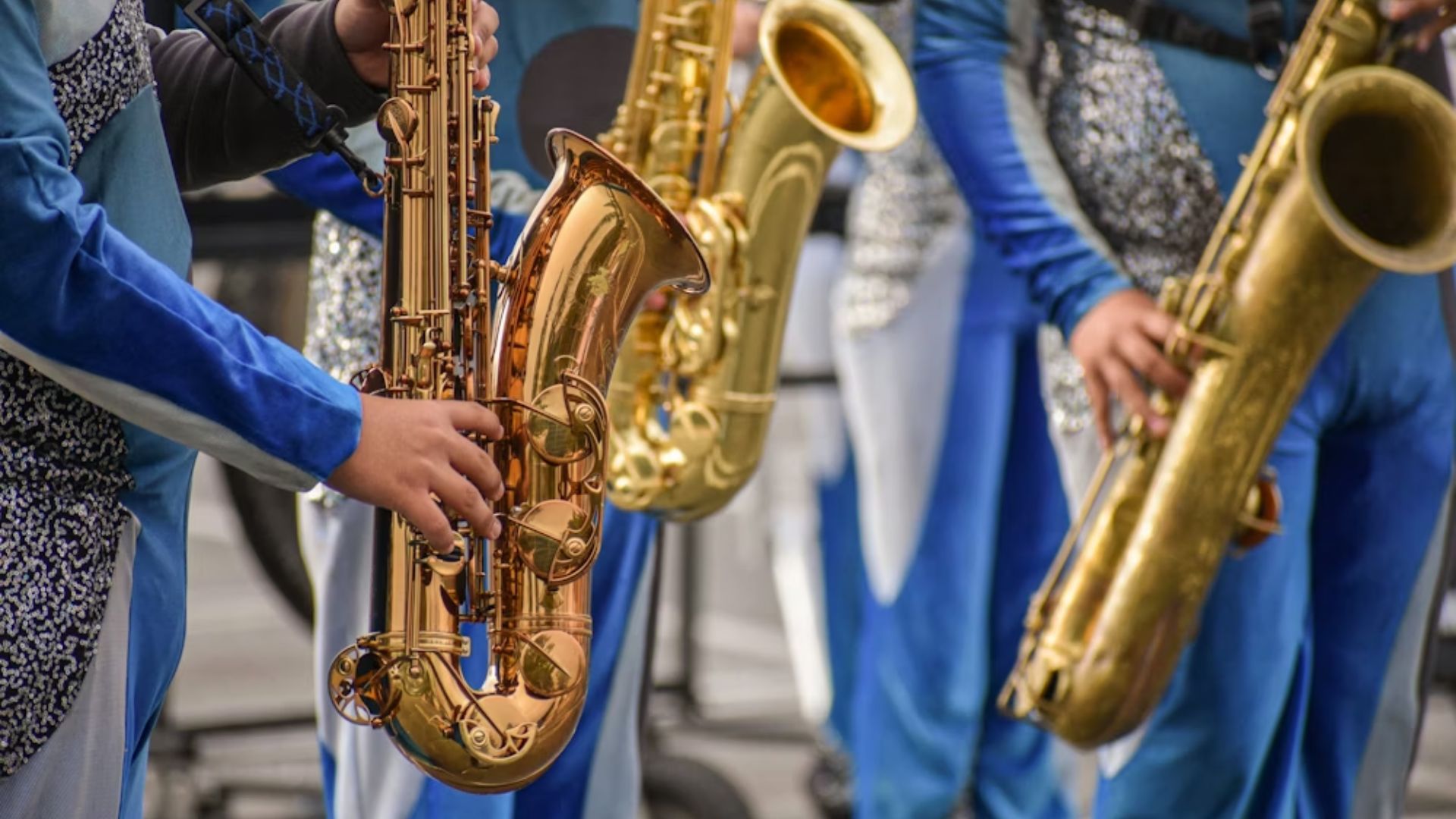
The tenor saxophone is one of the most iconic and versatile musical instruments in the woodwind family. Known for its rich, warm tones and expressive capabilities, it has been a staple in jazz, classical, rock, and contemporary music for decades. Its design, unique sound, and the ability to convey emotion make it a favorite among musicians and music enthusiasts alike. In this comprehensive guide, we will explore everything you need to know about the tenor saxophone—from its history to its playing techniques, maintenance tips, and frequently asked questions.
History of the Tenor Saxophone
The tenor saxophone was invented by Adolphe Sax in the early 1840s. Adolphe Sax, a Belgian instrument maker, sought to create an instrument that combined the projection of brass instruments with the agility of woodwinds. The tenor saxophone, pitched in B♭, became a crucial part of both military bands and orchestras.
Initially, it struggled to gain popularity in classical music due to its unconventional sound. However, with the rise of jazz in the early 20th century, the tenor saxophone found its true calling. Legendary jazz musicians like John Coltrane, Sonny Rollins, and Dexter Gordon brought the instrument to the forefront of music history. Today, the tenor saxophone is celebrated for its soulful, expressive voice and remains a core instrument in jazz ensembles, concert bands, and even rock bands.
Anatomy of the Tenor Saxophone
Understanding the anatomy of the tenor saxophone is crucial for both beginners and advanced players. The instrument consists of several key components:
Body
The body of the tenor saxophone is made of brass and shaped with a characteristic curve. It contains tone holes that, when covered by the keys, produce different musical notes.
Neck
The neck connects the mouthpiece to the body. Slight adjustments in the neck can affect the instrument’s intonation and tone quality.
Mouthpiece and Reed
The mouthpiece is where the player blows air to create sound. A reed, typically made of cane, vibrates to produce the saxophone’s signature tone. The quality of the mouthpiece and reed combination significantly impacts the sound.
Keys
The tenor saxophone features numerous keys that allow for a wide range of notes. Proper finger placement and technique are essential for fluid playing.
How to Choose a Tenor Saxophone
Choosing the right tenor saxophone can be overwhelming, especially for beginners. Here are some factors to consider:
Skill Level
Beginner saxophones are designed to be easy to play and durable, while professional models offer superior sound quality and finer craftsmanship.
Budget
Saxophones vary widely in price. Student models are generally affordable, whereas professional instruments can be significantly more expensive.
Brand Reputation
Trusted brands like Yamaha, Selmer, and Jupiter are known for producing reliable tenor saxophones that maintain their quality over time.
Tone Preference
Some players prefer a bright, piercing sound, while others seek a warm, mellow tone. Trying different models is the best way to find your ideal sound.
Learning to Play the Tenor Saxophone
Mastering the tenor saxophone requires dedication, practice, and proper technique. Here’s how to get started:
Posture and Breathing
Good posture is crucial for playing any wind instrument. Sit or stand upright, keep shoulders relaxed, and focus on deep, controlled breaths.
Finger Placement
Familiarize yourself with the key layout. Accurate finger placement ensures smooth transitions between notes.
Embouchure
The embouchure refers to how you shape your mouth around the mouthpiece. A firm but relaxed embouchure helps produce a consistent tone.
Practice Routine
Regular practice is essential. Start with scales, simple melodies, and gradually progress to more complex pieces. Consistent practice improves tone, dexterity, and musicality.
Tenor Saxophone in Jazz
The tenor saxophone is synonymous with jazz. Its deep, expressive sound makes it perfect for solos and improvisation. Jazz legends like Coleman Hawkins and Lester Young revolutionized tenor saxophone playing, introducing techniques like growling, multiphonics, and altissimo notes. In modern jazz, the tenor saxophone continues to be a leading instrument, capable of conveying a wide range of emotions—from smooth and romantic ballads to fast, energetic bebop solos.
Tenor Saxophone in Classical Music
Although it is primarily associated with jazz, the tenor saxophone also has a place in classical music. Composers like Alexander Glazunov and Jacques Ibert wrote notable works for the tenor saxophone, showcasing its lyrical and technical abilities. In orchestras and wind ensembles, the tenor saxophone adds depth to the harmonic texture and enriches the overall sound.
Maintenance and Care Tips
Proper maintenance is crucial to keep your tenor saxophone sounding its best. Here are some tips:
Cleaning
Regularly clean the mouthpiece, neck, and body to prevent buildup of moisture and residue. Use a swab or cleaning cloth designed for saxophones.
Reeds
Replace reeds frequently, as worn reeds can negatively affect sound quality. Rotate between multiple reeds to extend their lifespan.
Key Pads
Check the key pads regularly. If they become sticky or damaged, they can cause air leaks that affect tone and intonation.
Professional Servicing
Even with regular maintenance, it’s advisable to have your tenor saxophone professionally serviced at least once a year to ensure all parts are in optimal condition.
Accessories for the Tenor Saxophone
Several accessories can enhance your playing experience:
- Neck straps: Provide support and comfort during long practice sessions.
- Reed cases: Protect your reeds from damage and moisture.
- Cleaning kits: Include swabs, brushes, and polishing cloths.
- Mouthpiece cushions: Increase comfort and protect your teeth.
Famous Tenor Saxophonists
The tenor saxophone has been played by many legendary musicians who shaped modern music:
- John Coltrane – Pioneer of modal jazz and avant-garde styles.
- Sonny Rollins – Known for his improvisational skills and rhythmic innovation.
- Dexter Gordon – Famous for his big, warm tone and cinematic presence.
- Stan Getz – Popularized bossa nova in the 1960s with his lyrical tenor saxophone style.
Common Challenges and How to Overcome Them
Learning the tenor saxophone comes with challenges. Here’s how to tackle them:
Producing a Consistent Tone
Beginners often struggle with tone production. Focus on breath control and embouchure to develop a steady, rich sound.
Finger Coordination
Complex passages require precise finger movement. Slow practice and repetition help improve coordination.
Intonation
Playing in tune can be tricky. Use a tuner, adjust your embouchure, and practice long tones to develop better pitch accuracy.
The Future of the Tenor Saxophone
The tenor saxophone continues to evolve in contemporary music. From electronic jazz fusions to modern orchestral compositions, the instrument adapts to new genres and technological advancements. Digital modeling and electronic effects are giving tenor saxophonists new ways to explore sound, ensuring the instrument remains relevant for future generations.
Frequently Asked Questions (FAQs)
What is the range of a tenor saxophone?
The tenor saxophone typically has a range from A♭3 to E6, depending on the player’s skill level and technique.
Is the tenor saxophone difficult to learn?
While it requires dedication, consistent practice and proper instruction make the tenor saxophone accessible to beginners.
What is the difference between tenor and alto saxophones?
The tenor saxophone is larger, pitched lower (B♭), and produces a deeper, richer sound compared to the higher-pitched E♭ alto saxophone.
How much does a tenor saxophone cost?
Student models start around $500, while professional models can exceed $3,000 depending on brand and craftsmanship.
Can I play multiple music genres on the tenor saxophone?
Absolutely. The tenor saxophone is versatile and suitable for jazz, classical, rock, pop, and contemporary music.
Conclusion
The tenor saxophone is more than just a musical instrument—it is a voice that conveys emotion, passion, and creativity. From its invention by Adolphe Sax to its prominent role in jazz, classical, and modern music, the tenor saxophone has proven its versatility and timeless appeal. Whether you are a beginner exploring your first notes or a seasoned musician performing on stage, the tenor saxophone offers endless possibilities for musical expression. With proper practice, maintenance, and dedication, anyone can unlock the soulful sounds of this extraordinary instrument.
