


Introduction
The M62 is one of the most important motorways in the United Kingdom, connecting major cities across Northern England from Liverpool to Hull. It is a key transport route used daily by thousands of drivers, including commuters, logistics companies, and travelers. Because it runs across the Pennine hills, the motorway is known for its scenic views, challenging weather conditions, and heavy traffic.
The M62 plays a major role in the UK economy because it connects industrial cities, ports, and distribution centers. Many goods are transported using this motorway, making it one of the busiest east–west routes in England. Understanding the route, traffic conditions, safety tips, and history of the motorway can help drivers travel safely and efficiently.
In this complete guide, we will explore everything about the motorway, including its route, history, traffic issues, smart motorway sections, safety tips, and travel advice.
What Is the M62 Motorway?
The M62 is a major trans-Pennine motorway in England that runs from Liverpool in the west to Hull in the east. It connects several major cities including Manchester and Leeds, making it one of the most important transport routes in Northern England.
The motorway passes through urban areas, industrial regions, and mountainous terrain. Because of this, it is used for both local travel and long-distance transportation.
Key Facts About the Motorway
- Connects Liverpool to Hull
- Passes through Manchester and Leeds
- Crosses the Pennine hills
- Used by thousands of vehicles daily
- Important for trade and transport
- Includes smart motorway sections
- Known for heavy traffic and weather changes
The motorway is especially important for logistics companies transporting goods between east and west England.
Route and Major Cities Connected
The motorway connects several major cities and towns across Northern England. It is considered the main east–west route in the north.
Major Cities on the Route
- Liverpool
- Warrington
- Manchester
- Huddersfield
- Leeds
- Wakefield
- Hull
This route makes travel between these cities faster and easier compared to smaller roads.
Important Junctions
Some junctions are very busy because they connect with other major motorways:
- M60 (Manchester Ring Road)
- M1 (London to Leeds motorway)
- M6 (North–South motorway)
- A1(M)
- M18
These connections make the motorway part of a large UK road network.
History of the Motorway
The motorway was built to improve transport between industrial cities in Northern England. Construction started in the 1960s, and different sections opened over several years.
One of the most famous parts of the motorway is the section that crosses the Pennine hills. This section was very difficult to build because of the mountainous terrain and weather conditions.
Interesting Historical Facts
- Construction began in the 1960s
- Opened in stages during the 1970s
- Pennine section was the most difficult to build
- Includes one of the highest motorway points in England
- A farm is located between the motorway lanes in one section
The motorway remains an important part of UK infrastructure today.
The Pennine Section and Scenic Views
One of the most famous parts of the motorway is the Pennine section between Manchester and Leeds. This area is known for beautiful landscapes, hills, and sometimes extreme weather.
Drivers often experience:
- Fog
- Snow
- Strong winds
- Heavy rain
- Low visibility
Because of these conditions, drivers must be extra careful when driving through this section.
The Pennine section is also popular because of its scenic views, especially during sunrise and sunset. However, drivers should always focus on the road and not get distracted by the scenery.
Traffic and Congestion Problems
Traffic congestion is a common problem on the motorway, especially near major cities like Manchester and Leeds. Rush hour traffic can cause long delays, particularly in the morning and evening.
Common Causes of Traffic
- Rush hour commuting
- Roadworks
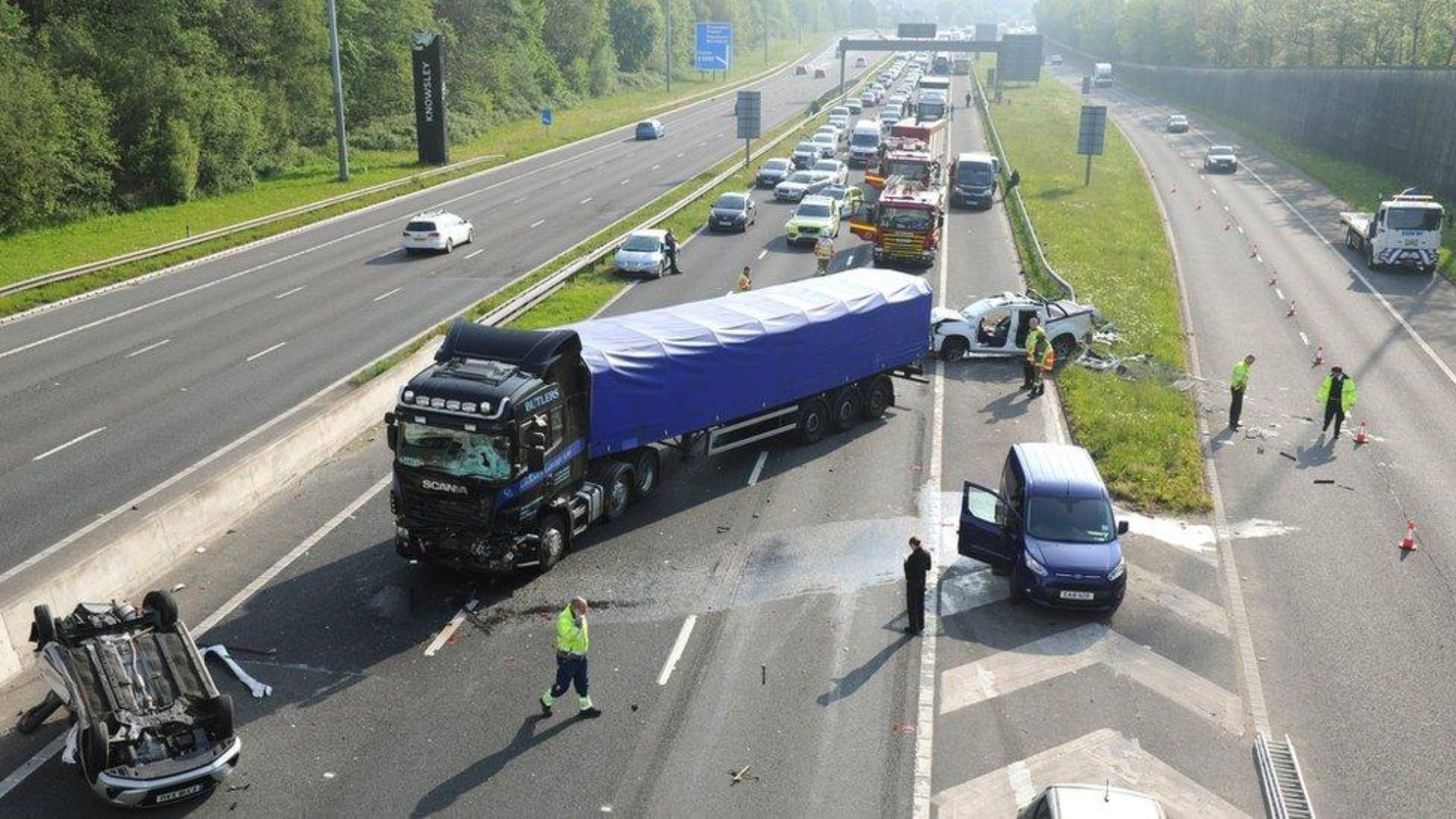
- Accidents
- Heavy trucks
- Weather conditions
- Lane closures
Traffic delays can sometimes last for hours, so drivers should always check traffic updates before traveling.
Best Times to Travel
- Early morning
- Late evening
- Midday (non-rush hours)
- Weekends (except holidays)
Avoiding rush hour can save a lot of travel time.
Smart Motorway Sections
Some parts of the motorway are smart motorways. Smart motorways use technology to manage traffic and reduce congestion.
Smart Motorway Features
- Variable speed limits
- Lane control signals
- Traffic cameras
- Electronic signs
- Emergency refuge areas
- Traffic monitoring systems
Drivers must follow electronic signs because speed limits can change depending on traffic conditions.
Smart motorways are designed to improve traffic flow and reduce accidents.
Road Safety Tips for Drivers
Driving on a motorway is different from driving in a city. Vehicles travel at higher speeds, so drivers must be more careful.
Important Motorway Safety Tips
- Follow speed limits
- Keep safe distance from other vehicles
- Use indicators when changing lanes
- Do not use mobile phones while driving
- Take breaks during long journeys
- Check mirrors regularly
- Stay in the left lane unless overtaking
- Slow down in bad weather
- Make sure your vehicle is in good condition
- Watch for traffic signs
Following these safety tips can prevent accidents and make travel safer.
Weather Conditions and Driving Risks
Weather is one of the biggest challenges for drivers on this motorway, especially in the Pennine hills area.
Dangerous Weather Conditions
- Snow
- Ice
- Fog
- Heavy rain
- Strong winds
Drivers should check weather forecasts before traveling and reduce speed during bad weather.
In winter, snow and ice can make roads very slippery, increasing accident risk.
Services and Rest Areas
There are many service stations along the motorway where drivers can rest, eat, and refuel.
Services Usually Include
- Petrol stations
- Restaurants
- Toilets
- Parking areas
- Shops
- Coffee shops
- Electric car charging stations
Taking breaks during long journeys is important to avoid driver fatigue.
Drivers are advised to take a break every two hours during long trips.
Economic Importance of the Motorway
The motorway is very important for the UK economy because it connects major industrial and commercial cities.
Economic Benefits
- Transportation of goods
- Business travel
- Tourism
- Job opportunities
- Trade between east and west England
- Logistics and delivery services
Many trucks use this motorway every day to transport goods between ports and cities.
Without this motorway, transportation in Northern England would be much slower and more difficult.
Future Developments and Improvements
Road authorities are always working to improve motorway safety and traffic flow.
Future Improvements May Include
- More smart motorway sections
- Better traffic monitoring
- Road widening
- Improved junctions
- More electric vehicle charging stations
- Better emergency areas
- Improved road surfaces
These improvements will help reduce traffic congestion and improve safety.
FAQs About M62
1. Where does the M62 start and end?
It starts in Liverpool and ends in Hull, crossing Northern England from west to east.
2. Why is the motorway important?
It connects major cities and is important for trade, travel, and transportation.
3. Is the motorway dangerous?
It can be dangerous in bad weather, especially in the Pennine hills section.
4. Why is there so much traffic?
Heavy traffic is caused by commuting, trucks, roadworks, and accidents.
5. Are there service stations on the motorway?
Yes, there are many service stations for fuel, food, and rest.
6. What is a smart motorway?
A smart motorway uses technology like variable speed limits and lane control to manage traffic.
7. When is the best time to travel?
Early morning, late evening, or midday outside rush hour.
Conclusion
The M62 motorway is one of the most important roads in Northern England, connecting major cities like Liverpool, Manchester, Leeds, and Hull. It plays a huge role in transportation, business, and travel across the region. Thousands of vehicles use this motorway every day, making it one of the busiest east–west routes in the UK.
The motorway is known for its Pennine hills section, smart motorway technology, heavy traffic areas, and important motorway junctions. While it is a very useful road, drivers must be careful, especially during bad weather and heavy traffic conditions.
By following motorway safety rules, checking traffic updates, and planning journeys properly, drivers can travel safely and avoid delays. The motorway will continue to remain a vital part of the UK transport network for many years, supporting travel, trade, and economic growth across Northern England.
