


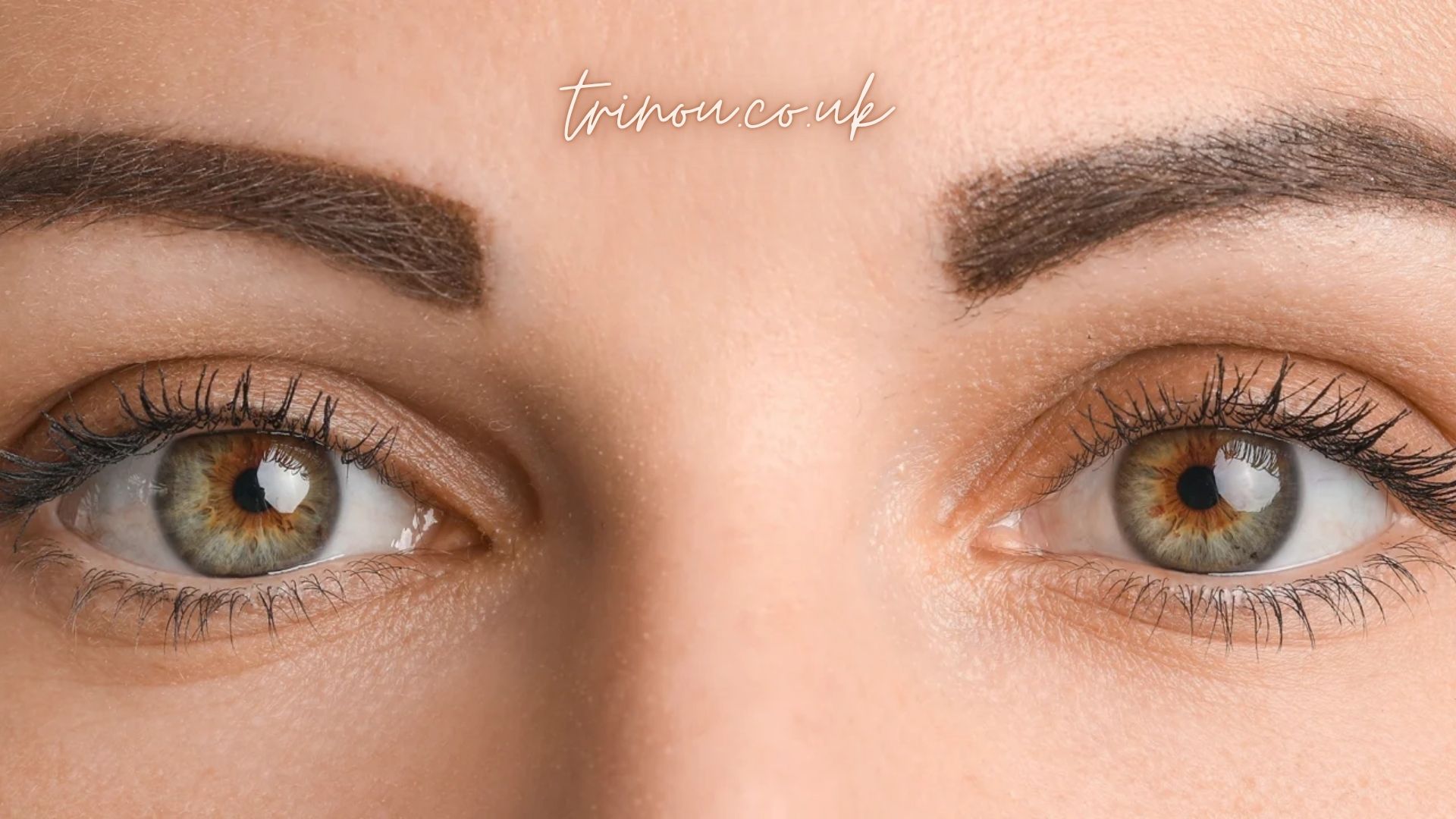
What Are Hazel Eyes?
Hazel eyes are a multi-tonal eye color that appears to shift depending on lighting and surroundings. They typically combine green, brown, and sometimes amber tones.
Unlike solid eye colors, hazel eyes can look greener in bright light and more brown in dim environments. This dynamic nature makes them visually striking.
Why Do Hazel Eyes Change Color?
Hazel eyes seem to change color due to light scattering and pigment distribution. The outer ring often contains less melanin, while the inner area has more.
As light hits the iris, different wavelengths reflect, causing the color to shift. Clothing, makeup, and even weather can enhance certain tones.
The Science Behind Hazel Eyes
Eye color depends on melanin levels in the iris. Hazel eyes have a moderate amount of melanin—more than blue eyes but less than brown eyes.
The combination of melanin and light scattering creates the unique blend seen in hazel eyes. This is also why no two hazel eyes look exactly alike.
Genetics of Hazel Eyes
Hazel eyes are influenced by multiple genes, not just one. Eye color inheritance is complex and not always predictable.
A child can have hazel eyes even if neither parent does, especially if the genetic traits exist in the family lineage.
How Rare Are Hazel Eyes?
Hazel eyes are relatively rare, found in about 5% of the global population. They are more common in Europe, the Middle East, and parts of North Africa.
Their rarity adds to their appeal, making them one of the most admired eye colors worldwide.
Hazel Eyes vs Other Eye Colors
Here’s a quick comparison of hazel eyes with other common eye colors:
| Eye Color | Melanin Level | Appearance | Rarity |
|---|---|---|---|
| Brown | High | Dark, uniform | Very common |
| Blue | Low | Light, cool tone | Common |
| Green | Medium-low | Green hue | Rare |
| Hazel | Medium | Mixed tones | Rare |
Hazel eyes stand out due to their multi-dimensional look.
Common Shades of Hazel Eyes
Hazel eyes are not a single color but a mix of shades.
Green-Dominant Hazel
These eyes appear mostly green with hints of brown or gold. They often look vibrant in natural light.
Brown-Dominant Hazel
These eyes lean more toward brown but still have noticeable green or amber tones.
Golden Hazel
These have a warm, golden or amber glow, especially visible in sunlight.
Personality Traits Linked to Hazel Eyes
While not scientifically proven, hazel eyes are often associated with certain personality traits.
People with hazel eyes are often described as:
- Independent and confident
- Creative and adventurous
- Balanced between logic and emotion
These traits are based on perception rather than science but are widely discussed.
Benefits of Having Hazel Eyes
Hazel eyes come with several unique advantages.
- Versatility: They complement a wide range of colors in clothing and makeup
- Unique appearance: No two hazel eyes are identical
- Dynamic look: They appear different in various lighting conditions
This makes hazel eyes highly expressive and visually engaging.
Drawbacks of Hazel Eyes
Despite their beauty, there are a few minor downsides.
- Light sensitivity: Moderate melanin may increase sensitivity to bright light
- Color inconsistency: Some people may find the shifting color less predictable
- Makeup challenges: Not all shades enhance the mixed tones
These are small trade-offs compared to their overall appeal.
How to Enhance Hazel Eyes Naturally
You can highlight the beauty of hazel eyes with simple techniques.
Clothing Choices
Wear colors like:
- Green
- Gold
- Purple
- Earth tones
These shades bring out different aspects of hazel eyes.
Makeup Tips
Use eyeshadows such as:
- Bronze and copper for warmth
- Plum and violet for contrast
- Green tones to enhance the green in your eyes
Lighting Awareness
Natural light enhances hazel eyes the most. Position yourself near windows for photos or meetings.
Eye Care Tips for Hazel Eyes
Healthy eyes look more vibrant, regardless of color.
- Wear sunglasses to protect from UV rays
- Stay hydrated to maintain eye moisture
- Avoid excessive screen time
- Use proper lighting when reading
These habits help keep hazel eyes bright and clear.
Who Are Hazel Eyes Best For?
Hazel eyes suit a wide variety of looks and styles.
They are ideal for people who:
- Enjoy experimenting with fashion and makeup
- Like a natural yet unique appearance
- Want expressive and dynamic eye color
Hazel eyes adapt well to different environments and styles.
Cultural Significance of Hazel Eyes
In many cultures, hazel eyes are seen as mysterious and rare. They are often associated with depth, intelligence, and charm.
In literature and media, characters with hazel eyes are frequently portrayed as complex and intriguing.
Practical Examples of Hazel Eye Appearance
Imagine stepping outside on a sunny day. Your hazel eyes may glow green with golden highlights.
Later, indoors under warm lighting, they may appear more brown. This adaptability is what makes hazel eyes so captivating.
FAQ About Hazel Eyes
What makes hazel eyes different from green eyes?
Hazel eyes contain a mix of colors, while green eyes are more uniform. Hazel eyes often include brown and gold tones.
Can hazel eyes turn fully green or brown?
They don’t actually change color permanently. The appearance shifts due to lighting and surroundings.
Are hazel eyes the rarest eye color?
No, green eyes are rarer. However, hazel eyes are still uncommon globally.
Do hazel eyes have health advantages?
There’s no specific health advantage, but moderate melanin offers some balance between light sensitivity and protection.
Can babies be born with hazel eyes?
Babies usually develop their final eye color over time. Hazel eyes may appear as melanin increases.
What colors make hazel eyes stand out most?
Green, gold, purple, and bronze tones enhance hazel eyes effectively.
Key Takeaways
- Hazel eyes are a blend of green, brown, and gold tones
- They appear to change color based on lighting
- They are relatively rare worldwide
- Genetics play a complex role in their formation
- Proper care and styling can enhance their natural beauty
Final Verdict
Hazel eyes are a perfect mix of science and beauty. Their ability to shift colors makes them one of the most unique eye types.
With the right care, styling, and understanding, hazel eyes can truly stand out in any setting.
